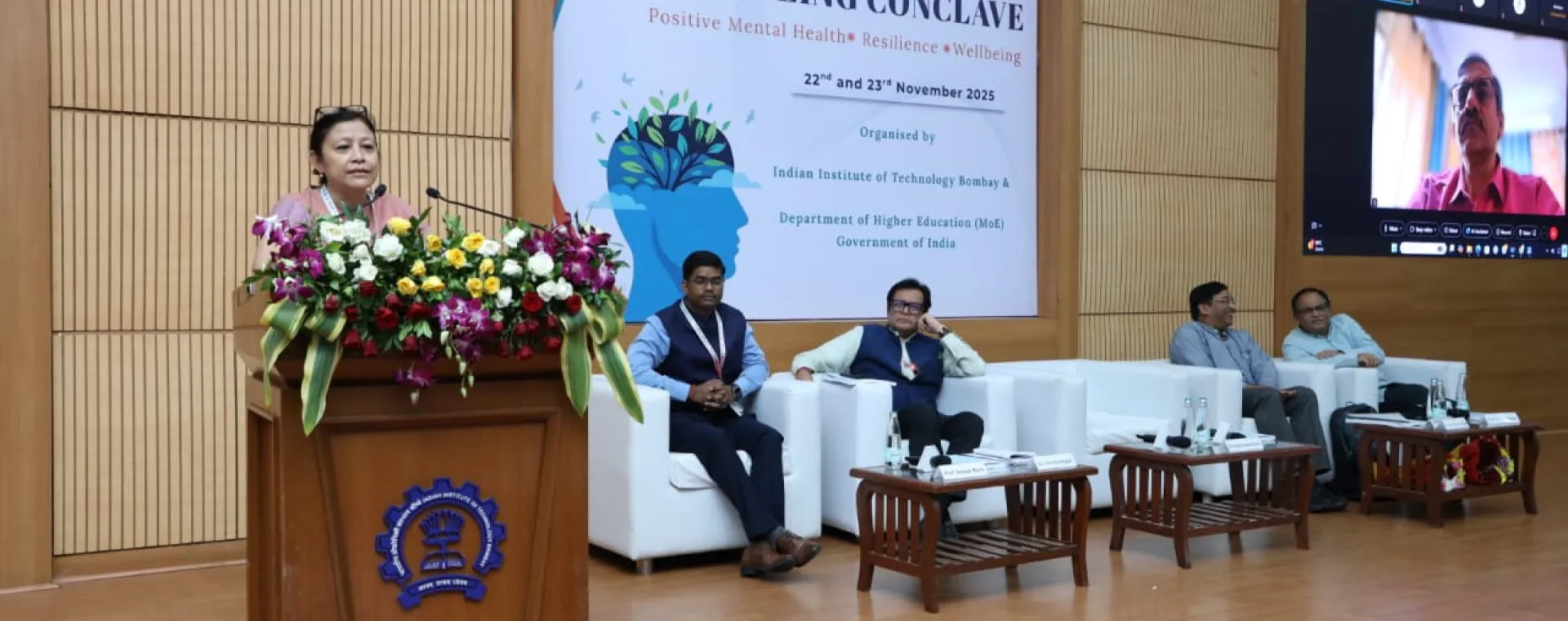
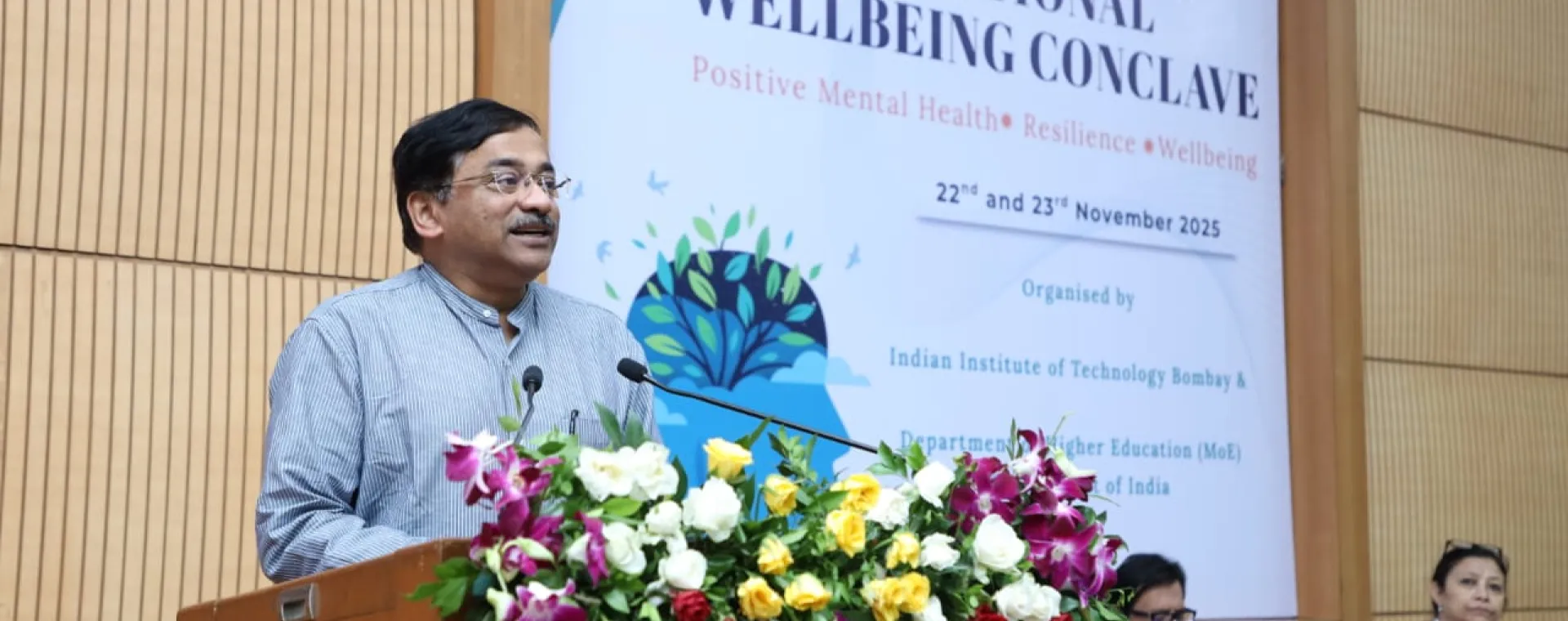
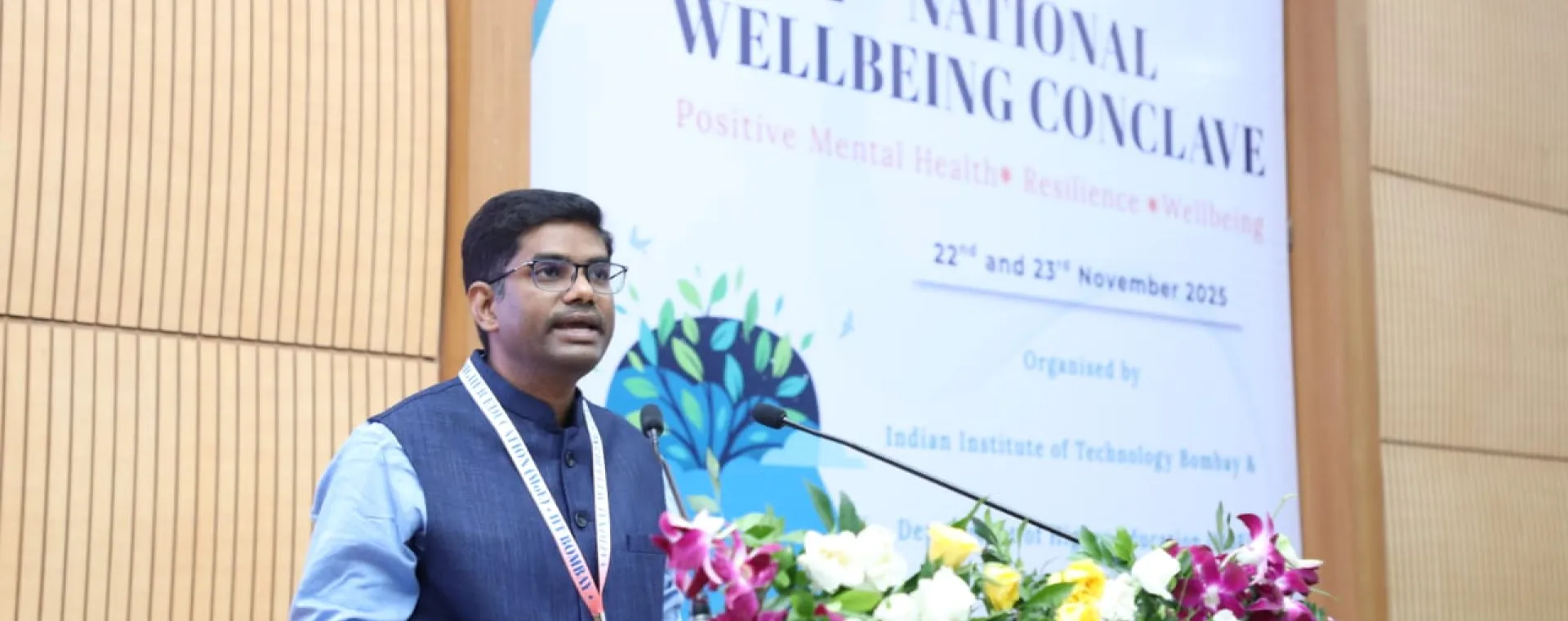
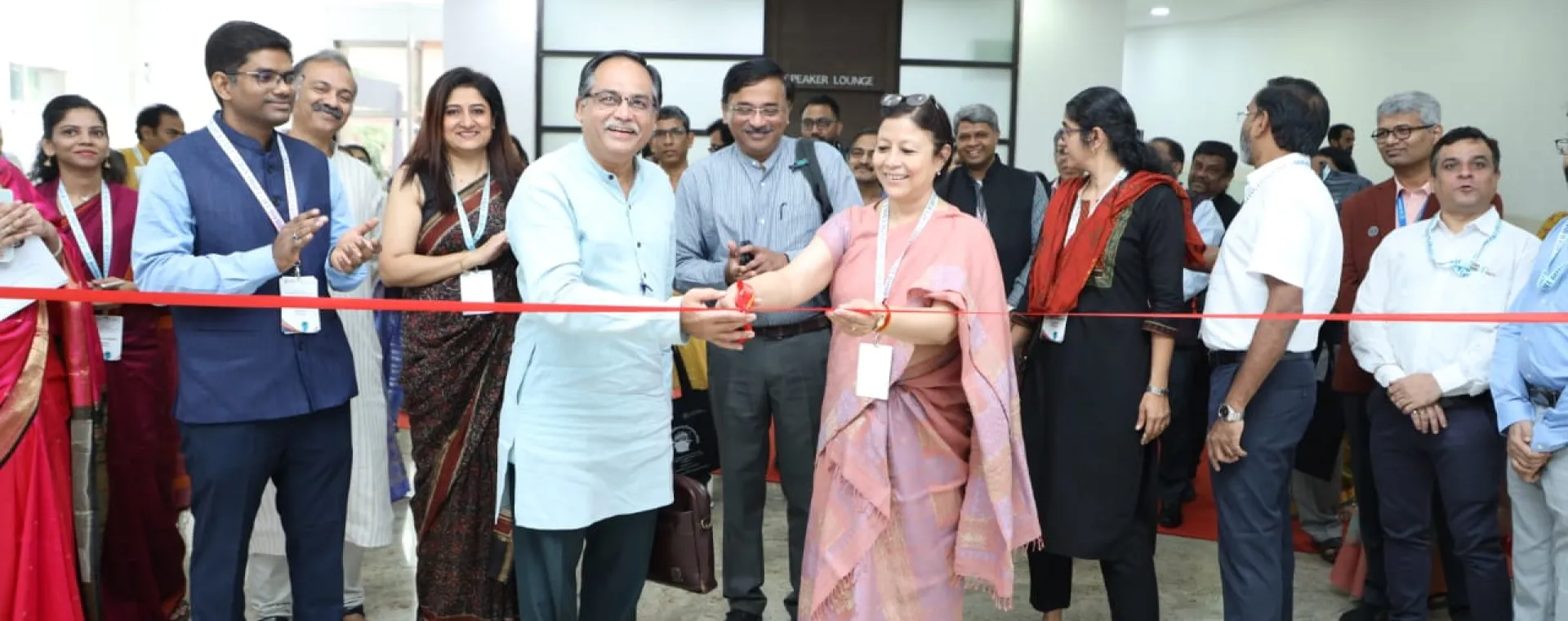
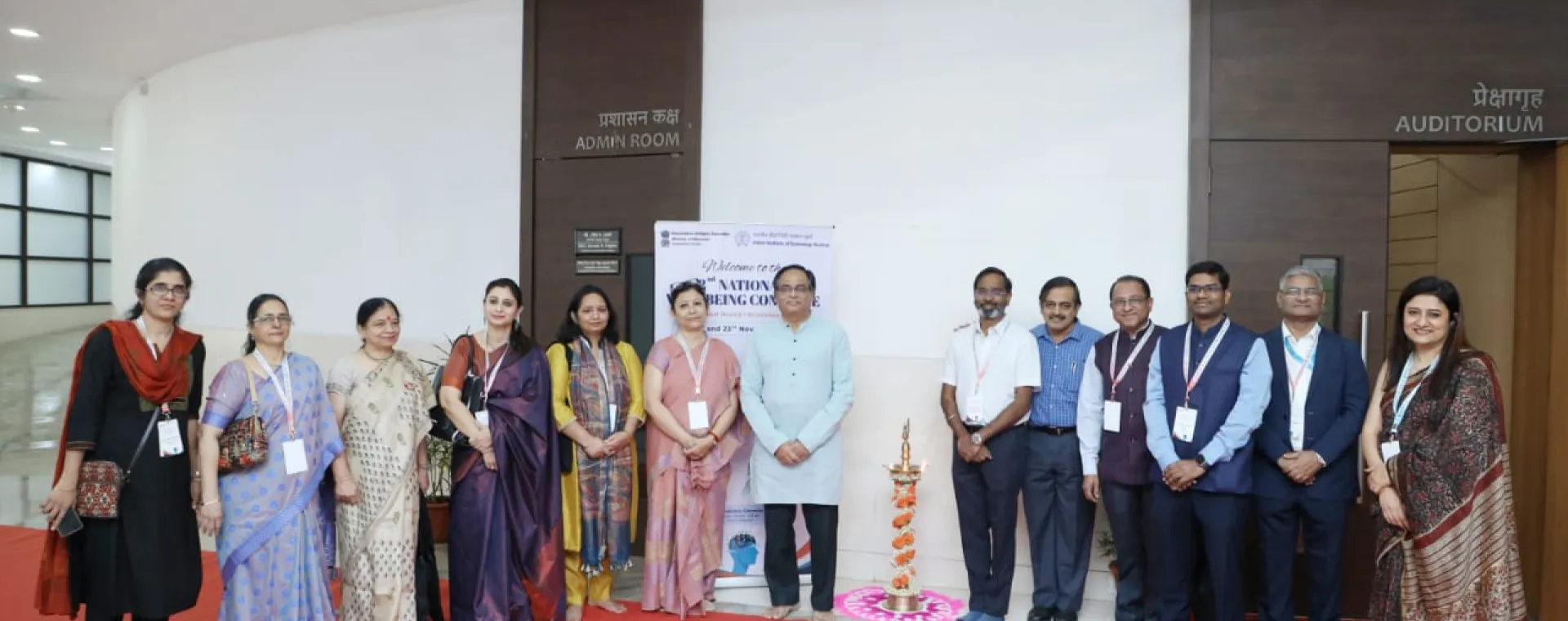

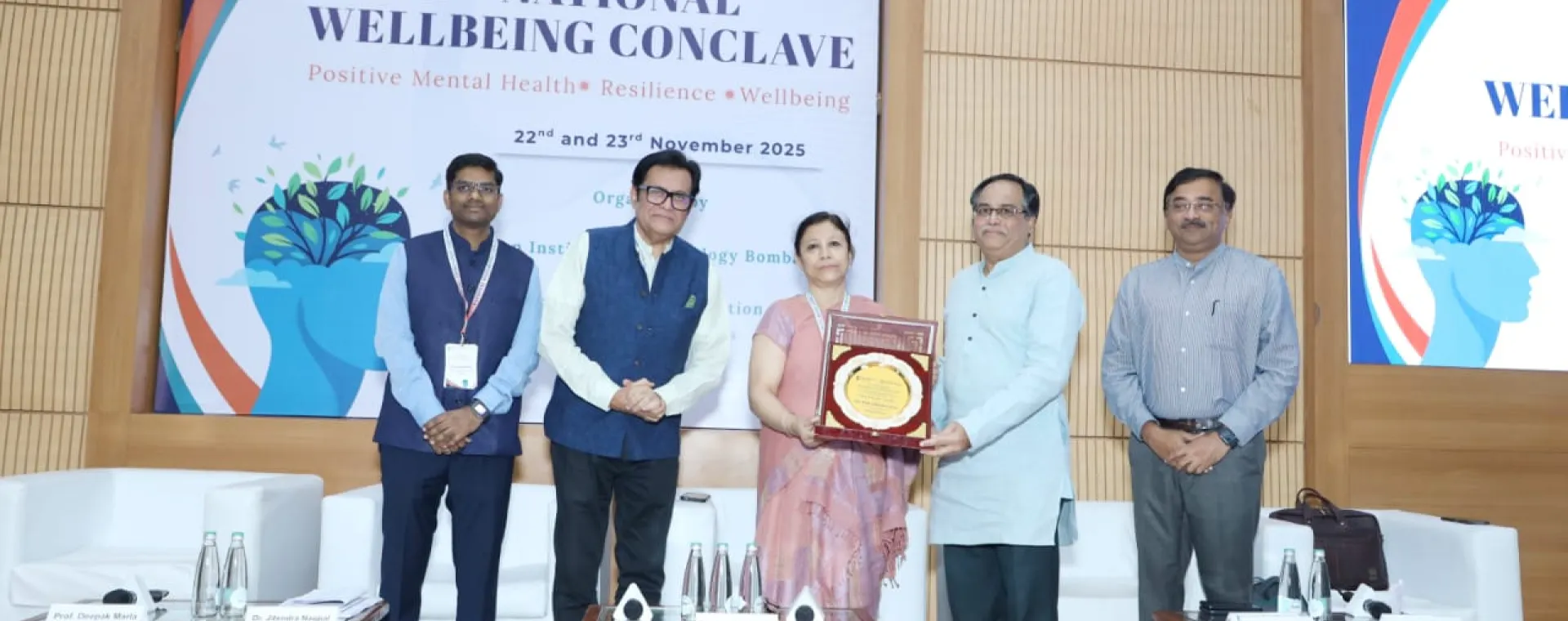
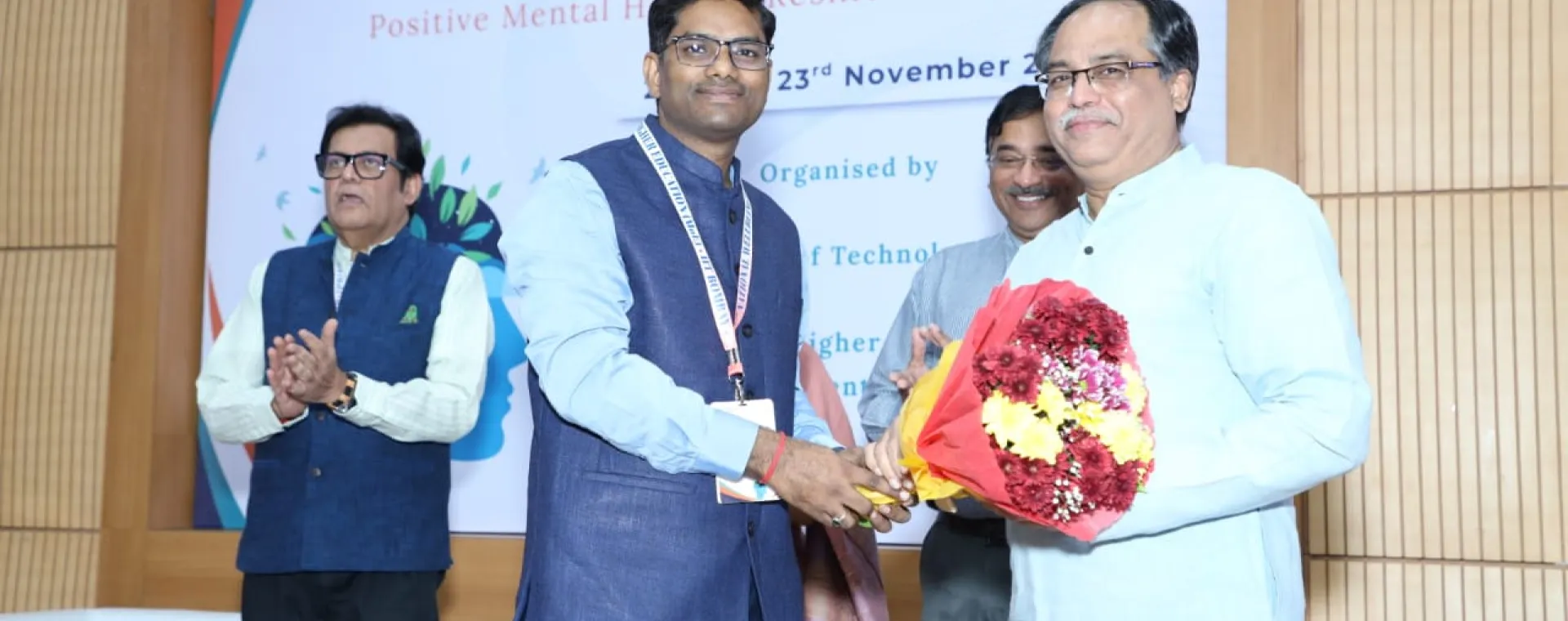
The inaugural session of the Wellness Conclave at IIT Bombay was held today, marking an important step toward transforming the landscape of student well-being in Indian higher education.
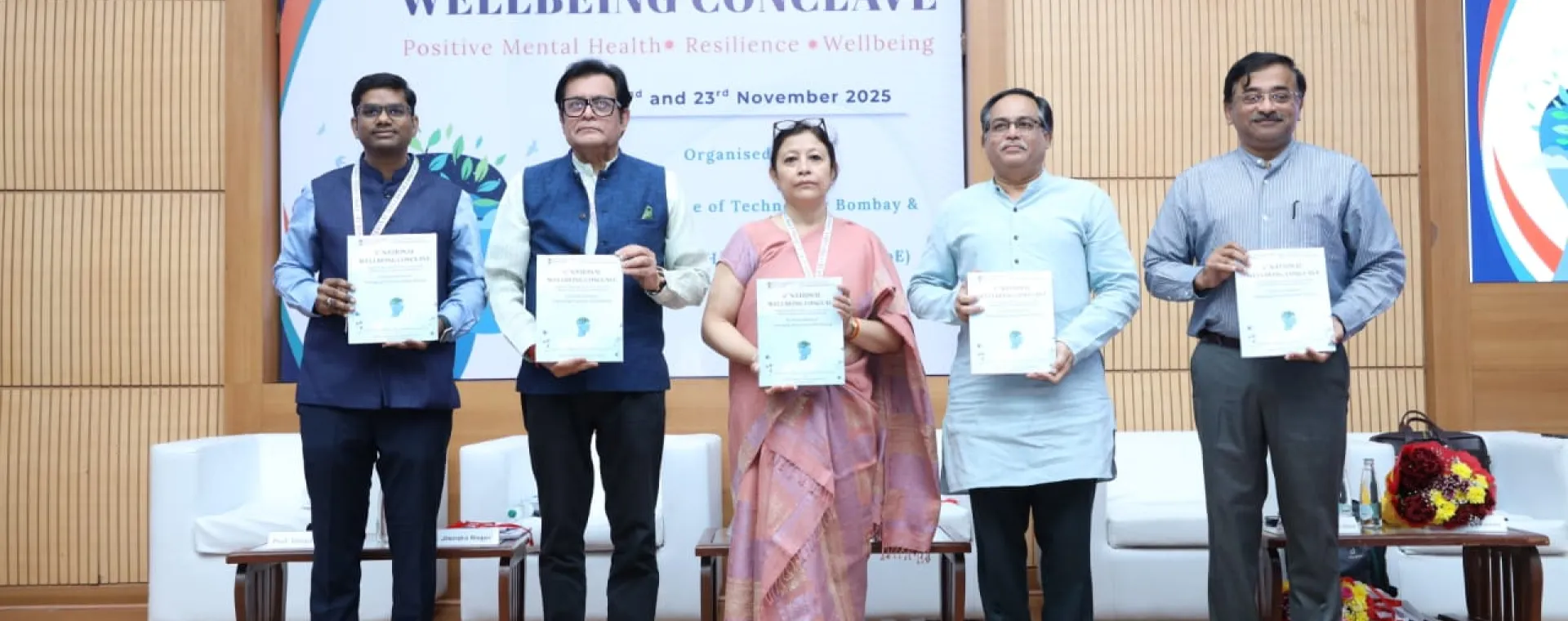
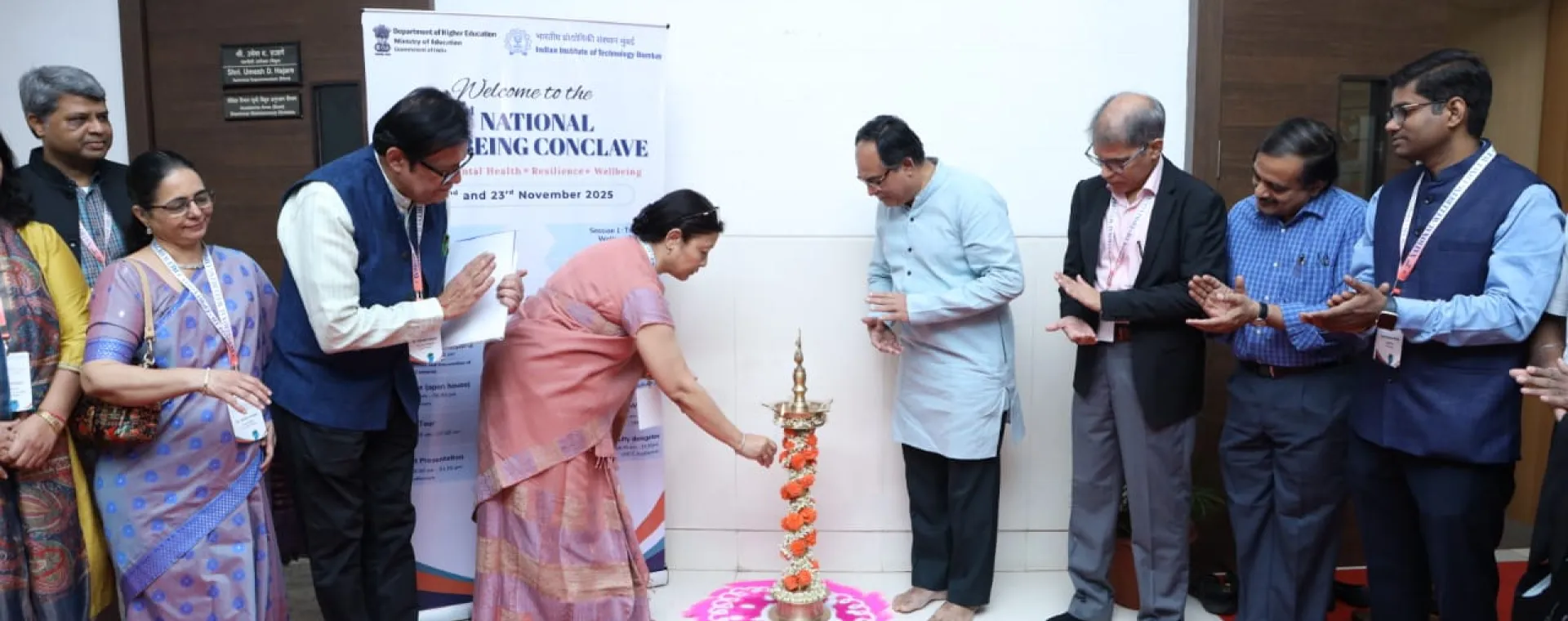
The ceremony began with the traditional lighting of the lamp, followed by a warm welcome and felicitation of the dignitaries. During the session, the compendium “Emerging Best Practices of Wellbeing 2.0” was formally released, showcasing exemplary models and innovative approaches from institutions across the country committed to supporting student mental health.
In his welcome address, Prof. Deepak Marla, Vice-Chairperson, highlighted the purpose of the conclave — to collaboratively design a future where students can thrive emotionally, socially, and academically.
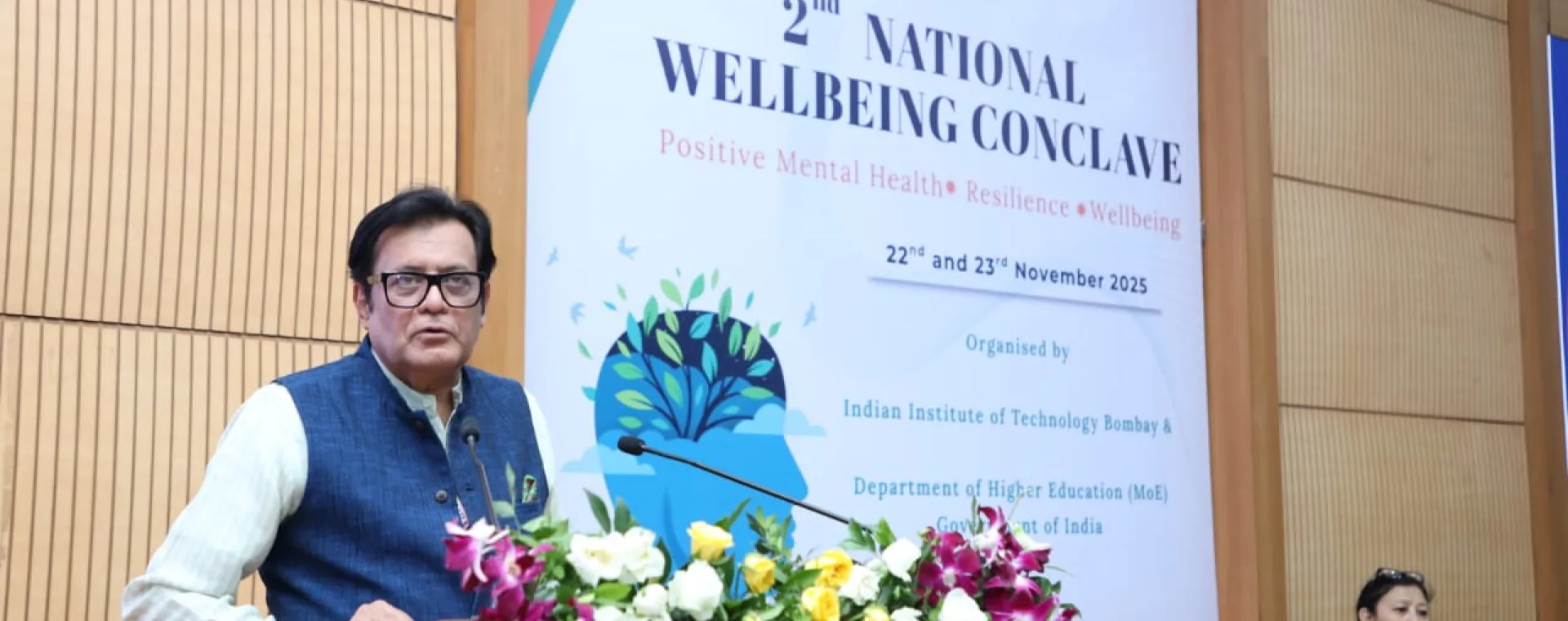
Dr. Jitendra Nagpal, Director, Expressions India, invoked the ethos of the guru-shishya paramparā and emphasized the urgent need for systemic support, noting that one in eight individuals in India experiences a mental health disorder. He stressed that the age group 18–25 is particularly vulnerable, making early care and proactive intervention essential.
Speaking next, Prof. Shireesh B. Kedare, Director, IIT Bombay, reminded the audience that an educational institution is much more than a pathway to placements — it is a transformative environment where young adults spend four formative years. He shared the initiatives IIT Bombay has undertaken to enhance student emotional well-being, including the establishment of the Flourishing Hub, and emphasized the need to also guide parents to reduce stressors affecting students.
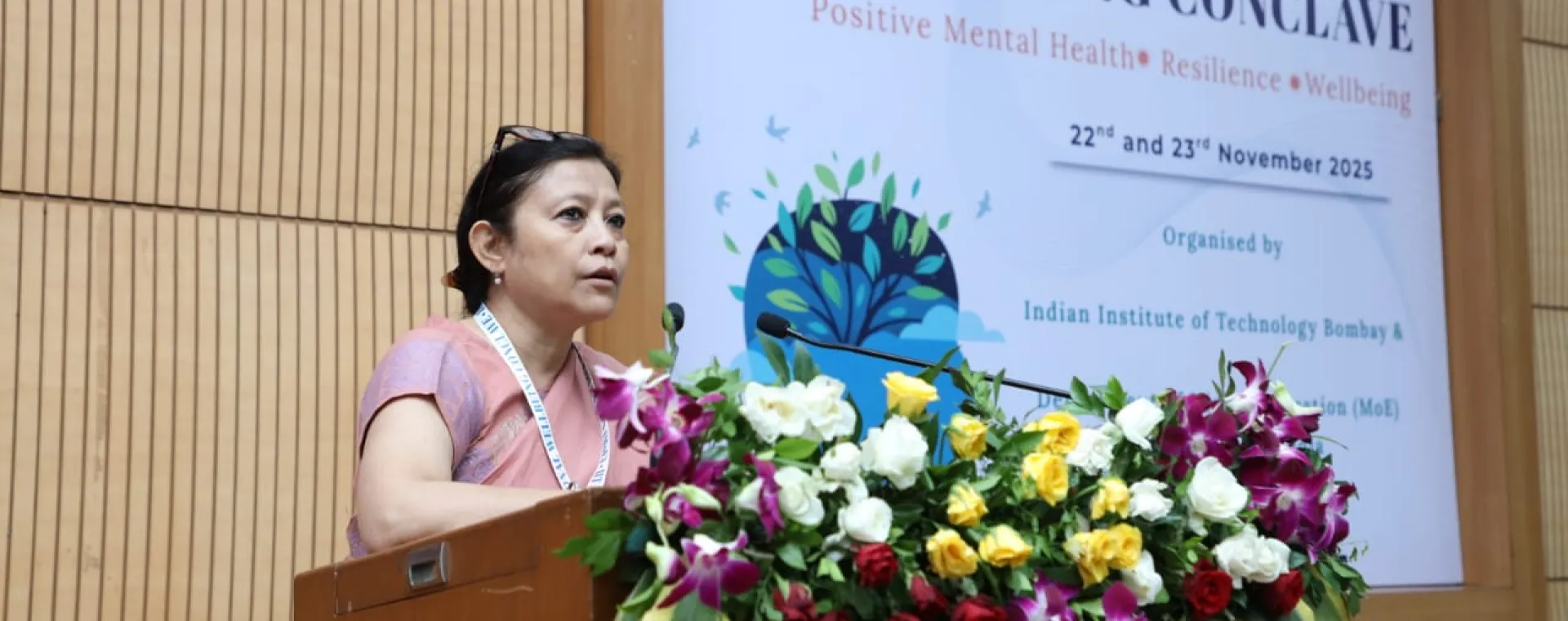
The Chief Guest, Dr. Vineet Joshi, Secretary (Higher Education), Ministry of Education, Government of India, underlined the importance of integrating age-old wisdom with modern scientific approaches. Referring to the journey from prāṇa-maya kosha to ānanda-maya kosha, he advocated creating safe, supportive campuses where students can openly express themselves and learn to manage life’s stressors. He referenced the National Education Policy (NEP) 2020, which places holistic well-being at the center of education reform, and highlighted the critical role of teachers whose words and attitudes profoundly influence students.
Mr. Manoj Singh Gaur reflected on practical steps institutions can take to strengthen student well-being ecosystems, while Ms. Rina Kholi spoke on the significance of the newly-released compendium, emphasizing the need for trained professional counsellors alongside faculty mentors to create robust mental-health support frameworks.
The session concluded with a vote of thanks, marking a meaningful beginning to a conclave dedicated to collaboration, reflection and action toward student flourishing across India.
About the Wellness Conclave
The Wellness Conclave brings together policy leaders, academic administrators, mental-health professionals and student support practitioners to share best practices and build a collective roadmap for the future of well-being in higher education.