A new way to make old antibiotics work again
A DNA-based strategy from researchers of Indian Institute of Technology Bombay makes drug-resistant bacteria responsive to antibiotics again.
A new way to make old antibiotics work again
A DNA-based strategy from researchers of Indian Institute of Technology Bombay makes drug-resistant bacteria responsive to antibiotics again.
The Geometry of Surgery: Turning Flat Images into 3D Pathways
Researchers from the Indian Institutes of Technology have developed a computationally efficient method to track the three-dimensional movements of surgical instruments using only standard two-dimensional video feeds and geometric principles.
Why do some antibiotics cause liver damage more than others?
IIT Bombay study shows how the location of antibiotics within the outer layers of liver cells could predict drug-induced toxicity early.
IIT Bombay’s new study shows the mucus paradox in our lungs
Researchers at IIT Bombay reveal how excessive mucus creates gaps in our lungs’ defences, leaving us vulnerable to allergic attacks.
Improving How Immune Cells are Prepared for Cancer Care
Researchers at IIT Bombay develop a simpler and efficient method to recover immune cells grown in the lab for T-cell–based cancer therapies.
Making sense of the human brain: How BrainProt and DrugProtAI aim to help researchers decode brain diseases
A smart new platform developed by IIT Bombay unifies scattered brain-disease data to help researchers find markers, explore treatments, and pinpoint druggable targets.
TB bacteria's Tough Armor: A Cellular Shield Against Treatment
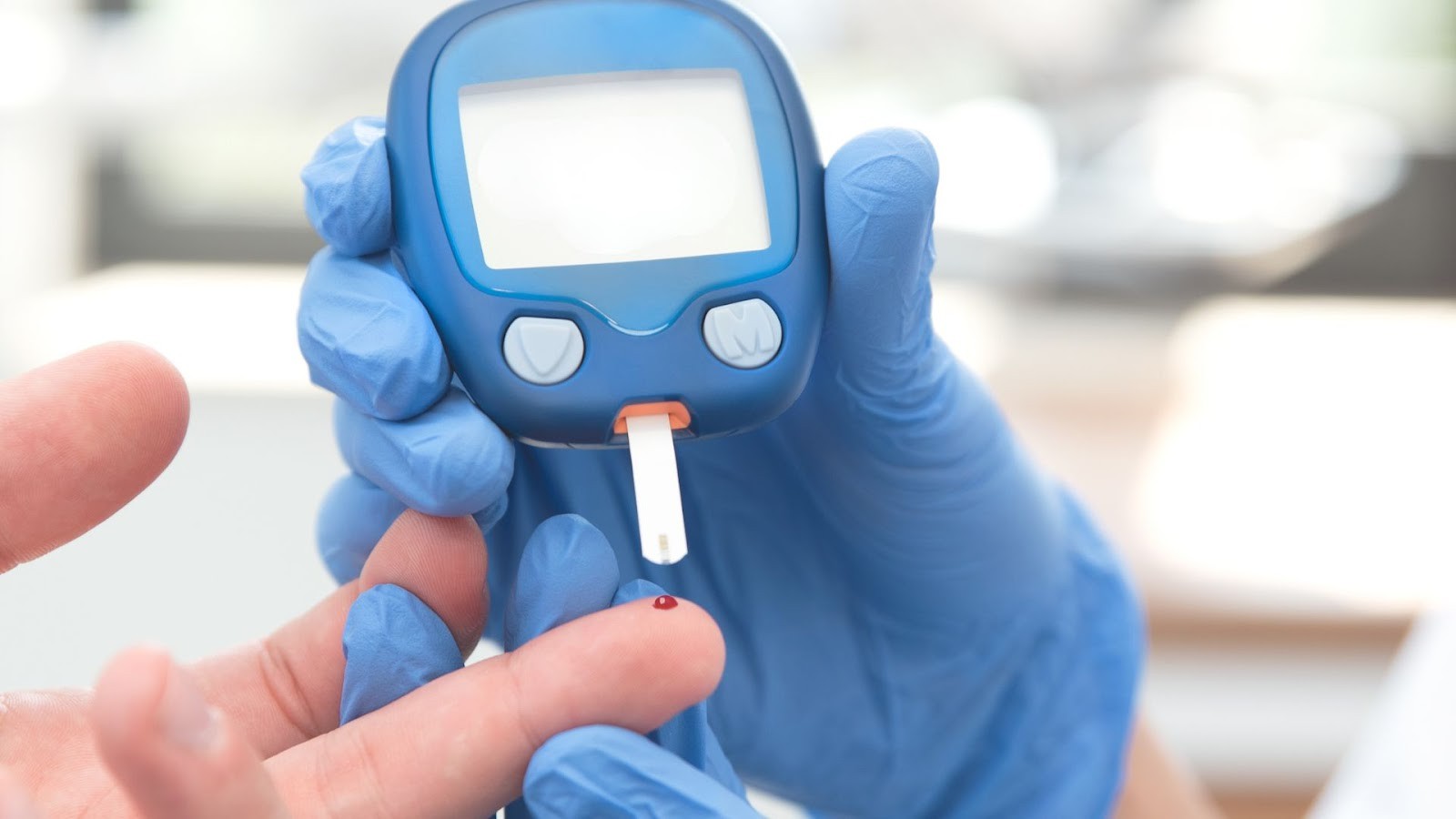
Hidden blood markers may explain diabetes risks in India
Researchers find early warning signs of diabetic kidney disease and pave the way for personalised treatment.
Collagen might be making type 2 diabetes worse, finds study
IIT Bombay researchers uncover how collagen accelerates clumping of hormones in the pancreas, identifying a previously unknown diabetes trigger and a potential new drug target
PCOS Likely To Compromise Attention-Based Tasks In Affected Women
Hints A Study Task-based tests reveal that PCOS impacts women’s focused and divided attention, decreasing speed of response by about 56% and accuracy by about 10%